
Atlanta is full of charming older homes with historic details that many people love. From Craftsman bungalows to Victorian beauties, these houses tell stories of the past. But behind those beautiful walls, electrical systems from decades ago can hide serious risks. These old setups were not built for today's gadgets and appliances.
Many homes in neighborhoods like Midtown, Virginia-Highland, Inman Park, and Grant Park date back to the 1940s or earlier. Their wiring, outlets, and panels often fail to meet modern safety standards. What worked fine for a few lamps and a radio now struggles with computers, microwaves, and electric cars. Small issues can turn into big dangers if ignored.
Understanding these hidden hazards helps keep your family safe. Simple checks and updates can prevent fires, shocks, and costly repairs. Homeowners who stay informed make smarter choices about maintenance. Let's explore the most common electrical problems found in older Atlanta homes and what you can do about them.
Knob-and-tube wiring was the standard in homes built before 1950. Electricians ran single insulated wires through porcelain knobs on joists and tubes in walls. This system has no ground wire, which is a key safety feature in modern homes. Without grounding, excess electricity has nowhere safe to go during a fault.
Over decades, the rubber insulation on these wires dries out and cracks. Heat, moisture, and even curious rodents speed up the damage. Exposed copper can spark against wood framing and start fires. Many insurance companies now refuse full coverage or charge higher rates for homes with active knob-and-tube systems.
Homeowners should watch for signs of trouble in daily life. Here are common warning signals to check regularly:
Most older Atlanta homes have 60-amp or 100-amp electrical service panels. These were enough for basic lighting and a few appliances back then. Today's families run air conditioners, refrigerators, washers, dryers, and chargers all at once. Modern homes need at least 200 amps to handle the load safely.
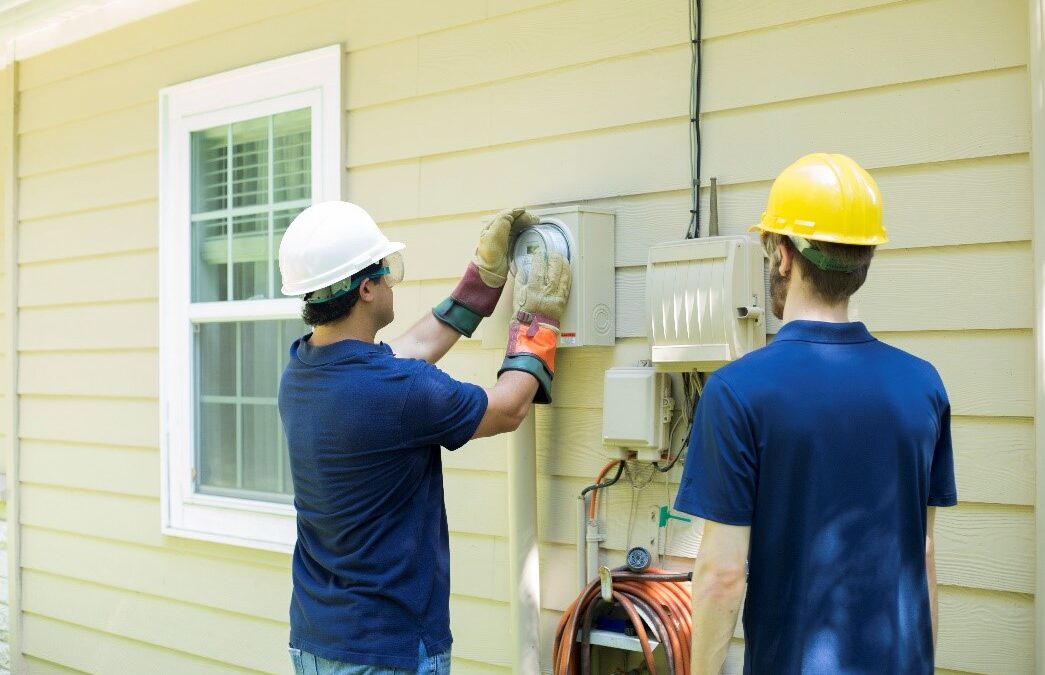
Aluminum wiring, common in some 1960s and 1970s homes, adds extra risk. Aluminum expands and contracts more than copper when heated. This movement loosens connections at outlets and breakers, creating heat and arcing. Professional Electricians in Atlanta can test these connections with thermal cameras during routine inspections.
Simple habits help reduce overload risks until you upgrade. Follow these practical tips every day:
Grounding provides a safe path for electricity during surges or faults. It prevents shocks by sending extra current into the earth. Older homes have two-prong outlets with no ground wire. Forcing three-prong plugs into these outlets without proper grounding creates serious hazards.
Some homeowners install grounded outlets without running new wires. This gives a false sense of safety. The ground pin has no real connection, so it cannot protect you. Ground fault circuit interrupters (GFCIs) add protection by sensing imbalances and cutting power fast, even without true grounding.
Walk through your home and check for these grounding problems:
Outlets and switches last about 20 to 30 years with normal use. Constant plugging and unplugging wears internal contacts. Loose connections create resistance, which builds heat. Over time, this heat damages plastic parts and nearby wires.
Atlanta's humid climate makes corrosion worse, especially in basements and crawl spaces. Water near electrical devices is a top cause of shocks and shorts. New tamper-resistant outlets have shutters that block foreign objects, protecting curious children.
Inspect your devices monthly for these signs of wear:
Previous owners often tried to save money with do-it-yourself electrical work. They added outlets in basements, ran wires for ceiling fans, or spliced circuits in attics. Most of these changes lack permits and fail to meet current codes. Hidden problems stay out of sight until something goes wrong.
Atlanta updates its building codes regularly to improve safety. Rules from 1950 or 1970 no longer protect against modern risks. Junction boxes without covers, wires stapled too tightly, and overloaded breaker slots are common fire starters in altered systems.
Look for these red flags of unsafe DIY work during home walks:
The service entrance cable brings power from the utility pole or underground line to your home's meter. Weather, sun, wind, and tree branches wear down insulation over 30 to 50 years. Frayed or cracked cables let moisture inside, causing shorts, arcing, and power failures.
Underground service lines face different threats in older Atlanta neighborhoods. Tree roots grow into conduits and crush cables. Soil shifts from heavy rains pull connections apart. Lightning strikes often damage weak entry points first, sending surges through the whole system.
Check visible parts of your service entrance for these issues:
Modern circuit breakers detect more than overloads. Arc fault circuit interrupters (AFCIs) sense dangerous sparking inside walls from damaged wires or loose screws. Older fuse boxes and basic breakers miss these hidden faults. The National Fire Protection Association says arc faults start thousands of home fires yearly.
Atlanta's hot summers and frequent thunderstorms make insulation breakdown faster. Humidity creeps into small cracks and weakens materials. For detailed insights on aging wiring concerns, resources like Backblaze show how temperature swings and moisture accelerate electrical wear over time.
Priority areas for adding AFCI and surge protection include:
Basements and attics store decades of forgotten wiring changes. Homeowners rarely inspect these spaces. Exposed wires, open junction boxes, and rodent-chewed insulation create perfect conditions for fires. Damp basements in older homes add moisture risks to every connection.
Atlanta's clay soil expands and contracts with rain, shifting foundations. This movement pulls wires loose from outlets and panels. Pests like squirrels and rats love warm attics and chew through plastic coatings to reach copper inside.
Safe attic and basement checks reveal these common hazards:
Older Atlanta homes offer historic charm along with real electrical risks that grow quietly over time. Systems designed for a simpler era now power complex modern lives. Regular inspections and small upgrades catch problems early and prevent disasters.
Updating wiring, panels, and protection devices costs money upfront but saves far more in the long run. Fires destroy memories, injuries change lives, and insurance claims create stress. Modern standards exist because past mistakes taught hard lessons about safety.
Taking action today keeps beautiful old homes safe for tomorrow. Simple awareness, routine checks, and professional guidance turn hidden hazards into manageable tasks. Atlanta's classic neighborhoods deserve to shine safely for generations to come.
McCall Enterprises is a trusted, family-operated electrical contractor proudly serving Atlanta and nearby communities for over two decades. Known for its integrity-first approach and highly skilled, licensed electricians, the company delivers a full range of residential and commercial services including electrical system installation, panel upgrades, wiring repairs, emergency restoration, lighting installs, ceiling fan installation, troubleshooting, and safety inspections. Backed by hundreds of 5-star reviews and a long-standing reputation for professionalism, McCall Enterprises provides 24/7 availability for urgent electrical needs and proudly serves homeowners, small businesses, and commercial properties throughout Buckhead and greater Atlanta. Customers can book appointments online at https://mccallent.com or contact the team directly at (770) 484-6402 for prompt service handled by fully licensed and insured specialists.
Name: McCall Enterprises
Address: 260 Peachtree St NW Suite 2200, Atlanta, GA 30303
Phone: +1 (770) 484-6402
Website: https://mccallent.com
Social Networks: Facebook | X (Twitter) | Instagram | Pinterest